

Our Academic Programs
Discover a broad and balanced curriculum designed to inspire, challenge, and support students at every stage of their academic journey
https://www.youtube.com/watch?v=XHOmBV4js_E
Categories
Explore Our Academic Pathways
From foundational skills in early years to advanced learning in upper levels, our structured academic pathways are designed to support holistic development and lifelong learning.
Early Childhood / Nursery
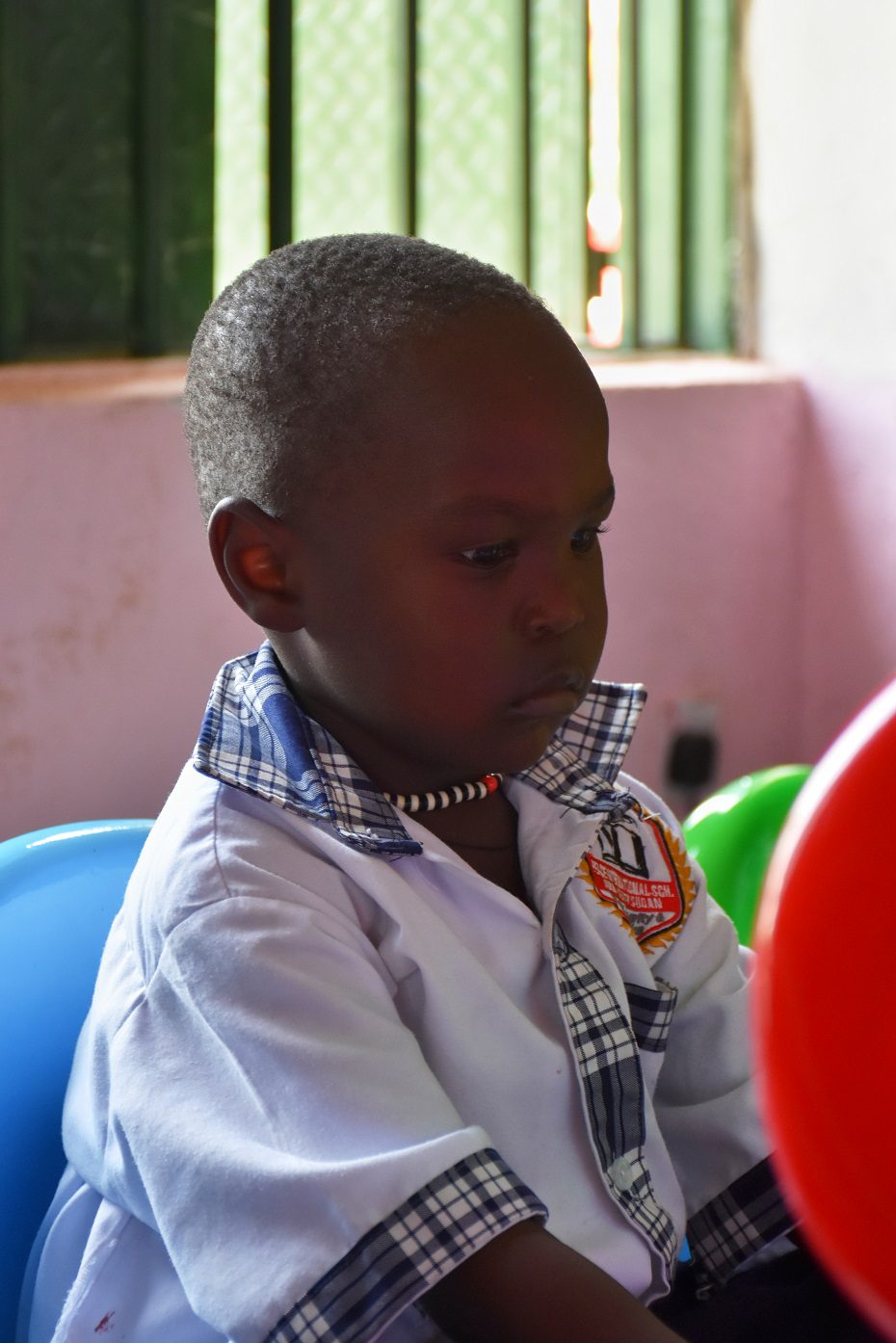
Our Early Childhood program provides a warm, play-based learning environment where children aged 3–5 develop foundational skills in language, social interaction, creativity, and motor development. Each class stage is tailored to the child’s age and developmental level.
Lower Primary (P1 – P5)
In Lower Primary, learners build on early foundations through structured literacy, numeracy, and discovery-based subjects. Our curriculum promotes inquiry, independence, and essential life skills for students aged 6–10.
Upper Primary (P6 – P8)
This stage prepares learners for final assessments and transition to secondary education. Students engage in deeper academic work, critical thinking, and personal responsibility, supported by a focused and encouraging environment.
Our Teaching Approach & Philosophy
At our school, we believe every child is unique and deserves a learning environment that nurtures their individual potential. Our teaching philosophy is grounded in the following core values:
Child-Centered Learning
We focus on the needs, interests, and abilities of each learner. Lessons are designed to be engaging and personalized, allowing students to take an active role in their own learning journey.
Inclusive Education
We are committed to creating an inclusive environment where all students—regardless of background, ability, or learning style—feel valued, supported, and empowered to succeed.
Hands-On Activities
Learning is brought to life through practical experiences. From science experiments to creative arts and real-world projects, our students learn by doing, which builds confidence, curiosity, and problem-solving skills.
01
Competency-Based Learning
Our curriculum emphasizes mastery of skills and knowledge, allowing students to progress based on their ability to demonstrate understanding rather than time spent in class
-
Focuses on developing real-world skills and critical thinking. -
Encourages self-paced, personalized learning pathways -
Ensures learners meet clearly defined learning outcomes.
02
Integrated ICT & Digital Literacy
We embed technology across subjects to equip students with essential digital skills, preparing them for a tech-driven world
-
Introduces age-appropriate computer use and internet safety. -
Integrates digital tools for research, presentations, and collaboration. -
IT systems, Applications, and multimedia communication skills.
03
Values & Life Skills Education
Our curriculum includes dedicated time for developing character, emotional intelligence, and responsible citizenship
-
Promotes respect, honesty, empathy, and teamwork. -
Teaches conflict resolution, decision-making, and leadership. -
Encourages community involvement and environmental responsibility.




Nursery Section
-
Social & Emotional -
Environment -
Numeracy -
English -
Reading & Writing -
Music, Movement & Drama -
Creative Art & Craft
Kindergarden Section
-
English -
Mathematics -
Literacy I -
Literacy II -
R.E -
Reading
1. Inquiry-Based Learning
Students learn by asking questions, exploring real-world problems, and investigating solutions.
-
Promotes critical thinking and curiosity -
Encourages deeper understanding of concepts -
Builds problem-solving and research skills
2. Differentiated Instruction
Tailoring lessons to meet the diverse needs, interests, and learning styles of all students.
-
Supports individual learning pace -
Ensures inclusivity and equity in the classroom -
Engages both advanced and struggling learners
3. Collaborative Learning
Students work together in groups or pairs to solve problems or complete tasks
-
Develops communication and teamwork skills -
Fosters peer learning and mutual support -
Builds confidence through shared success
4. Project-Based Learning (PBL)
Learners engage in extended, hands-on projects that relate to real-world contexts
-
Encourages creativity and innovation -
Links knowledge across subjects -
Builds presentation and time-management skills
5. Play-Based Learning
Children learn through play, discovery, and experimentation.
-
Boosts social, emotional, and motor development -
Supports imagination and self-expression -
Makes learning joyful and stress-free
Nursery Section
-
Social & Emotional -
Environment -
Numeracy -
English -
Reading & Writing -
Music, Movement & Drama -
Creative Art & Craft
Kindergarden Section
-
English -
Mathematics -
Literacy I -
Literacy II -
R.E -
Reading
1. Inquiry-Based Learning
Students learn by asking questions, exploring real-world problems, and investigating solutions.
-
Promotes critical thinking and curiosity -
Encourages deeper understanding of concepts -
Builds problem-solving and research skills
2. Differentiated Instruction
Tailoring lessons to meet the diverse needs, interests, and learning styles of all students.
-
Supports individual learning pace -
Ensures inclusivity and equity in the classroom -
Engages both advanced and struggling learners
3. Collaborative Learning
Students work together in groups or pairs to solve problems or complete tasks
-
Develops communication and teamwork skills -
Fosters peer learning and mutual support -
Builds confidence through shared success
4. Project-Based Learning (PBL)
Learners engage in extended, hands-on projects that relate to real-world contexts
-
Encourages creativity and innovation -
Links knowledge across subjects -
Builds presentation and time-management skills
5. Play-Based Learning
Children learn through play, discovery, and experimentation.
-
Boosts social, emotional, and motor development -
Supports imagination and self-expression -
Makes learning joyful and stress-free